

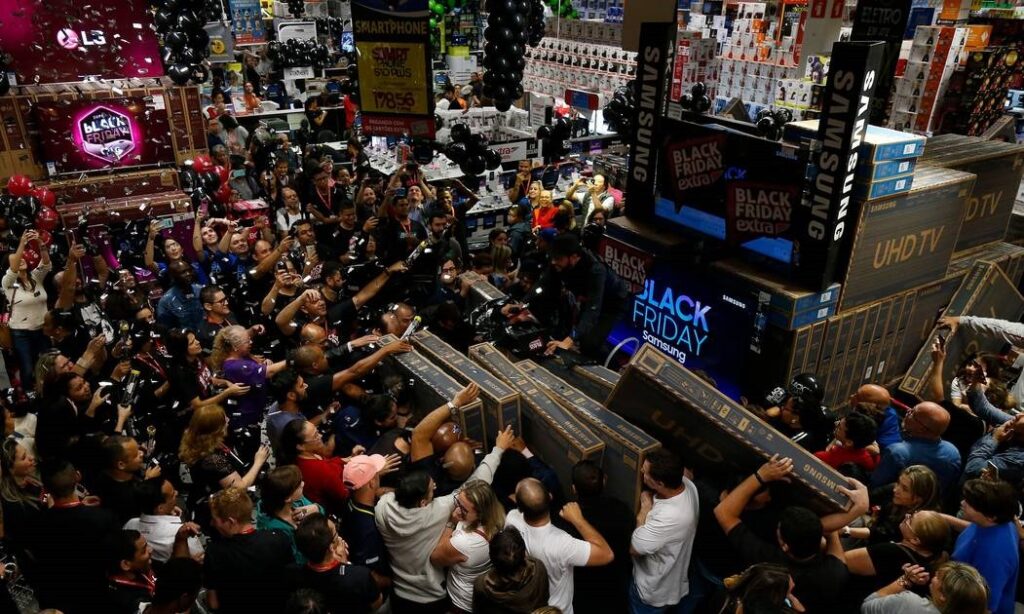
In Brazil, Black Friday is no longer just a promotional date focused on aggressive discounts and clearing out old inventory. Today, it has become one of the most important moments in the retail calendar, anticipating a significant share of holiday shopping.
Christmas and Black Friday can no longer be seen as separate events. Whether it comes in the form of Black Friday, Black Week, or even Black Month, consumers already view this period as the official start of the most relevant shopping season of the year.
The importance of strategic planning
Given this new context, Black Friday must be planned with the same level of care and detail as any other major retail occasion. The goal? To maximize customer traffic, conversion, average ticket size, sales volume, and—most importantly—profit margin.
Smart planning means:
- Profitability doesn’t need to be sacrificed for volume.
- An annual margin strategy can offset the impact of discounts.
- Developing exclusive products for the season creates differentiation.
- Early negotiations with suppliers secure better pricing and payment terms.
Media investment: anticipation is a competitive edge
The efficiency of media investments is directly tied to how early the planning starts. The official Black Friday date—the last Friday of November—and the days leading up to it are the most expensive and competitive advertising moments of the year.
That’s why:
- Negotiating early with media channels and platforms secures better conditions and positioning.
- Investment levels must match the revenue potential of the season.
- Media plans should balance brand awareness and performance, driving both traffic and conversion.
- Communication should begin ahead of the date, building anticipation and preparing customers for the shopping journey.
The 40 most intense days in retail
With Black Friday and Christmas so close together, the last 40 days of the year have become the most challenging—and most promising—period for retailers. To make the most of it, operations need to run smoothly:
- Physical stores and online channels ready for high traffic.
- Well-planned and distributed inventory.
- Reinforced and trained teams to handle demand.
- Agile logistics to ensure fast deliveries.
- Reliable technology—no site crashes or frozen checkout pages.
Bringing in customers is important. But ensuring they complete their purchase and enjoy a seamless shopping experience is what truly makes the difference.

 EN
EN  PT_BR
PT_BR