

When we talk about market share in the sportswear industry, the spotlight usually falls on iconic global brands like Nike and Adidas. In Brazil, this market is worth around R$ 26 billion annually, with growth in line with inflation. Companies like Segmenta track the sector's evolution and consumer preferences, covering about 55% of the market — primarily through monobrand channels (e-commerce, brand stores, and franchises) and the top 20 multi-brand retailers.
According to the data, Nike still leads, but not with the dominance seen in previous years. Adidas has been gaining ground quickly and now leads in some categories. Following closely behind are Asics, Puma, Mizuno, New Balance, and other more niche brands.
In this competitive landscape, a national player stands out: Olympikus. As the flagship brand of Vulcabras Group, Olympikus produces around 22 million pairs of athletic footwear per year.
While it ranks 6th or 7th in key monitored categories (running and casual), Olympikus shines in a critical area: it already leads in volume of pairs sold. Its annual volume is roughly double that of the category leaders in market share — showcasing dominance through scale. However, two key elements are still missing to firmly claim total leadership: higher average prices and stronger presence in direct-to-consumer (DTC) channels.
Olympikus dominates small-scale multi-brand retail, with broad, democratic distribution in independent stores — a segment often overlooked by global brands. This allows Olympikus to reach a wider audience, though with lower brand control and reduced margins.
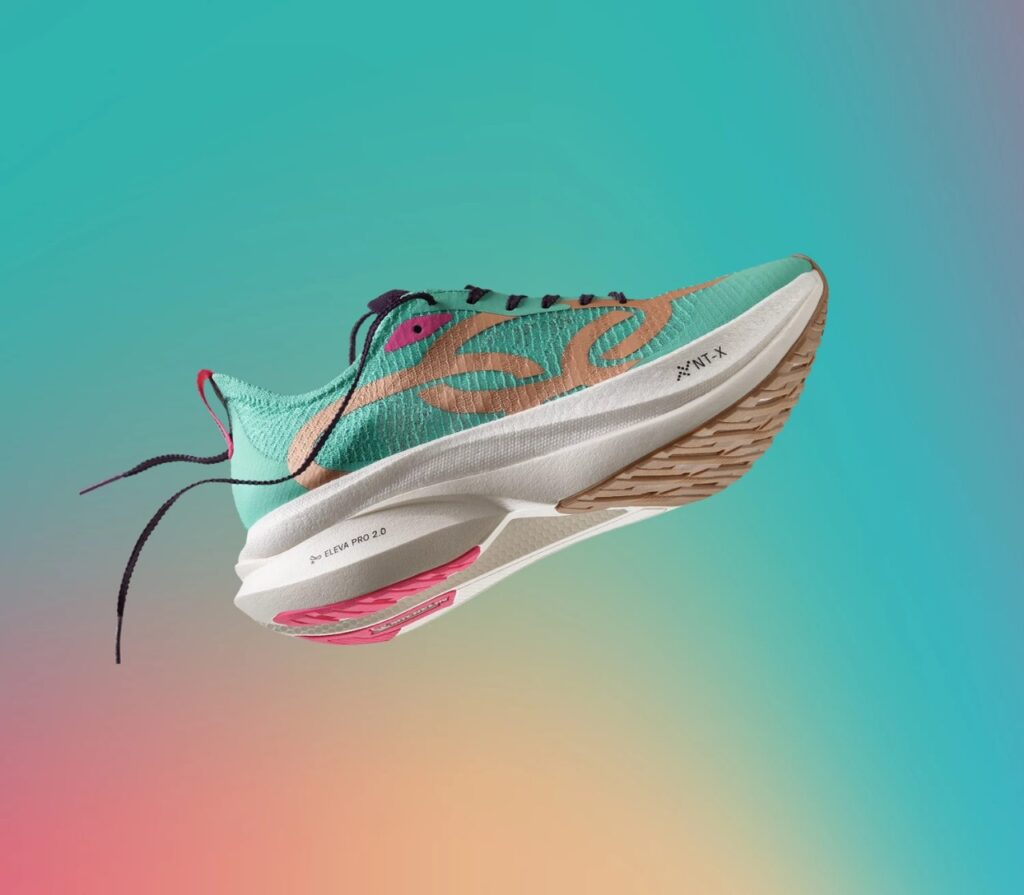
In recent years, Olympikus has expanded beyond entry-level offerings. A clear example is the "CORRE" line, now widely recognized as the best cost-benefit performance shoe line in the Brazilian market. With models priced between R$ 499 and R$ 899 — including plated shoes — Olympikus offers comparable technology to global giants at nearly half the price.
This competitiveness is made possible by a fully nationalized and vertically integrated operation, which lowers costs and increases market responsiveness. Local production ensures quality control and quick replenishment — critical in 2025 when the brand faced temporary product shortages.
Moreover, Olympikus is investing in branding and consumer connection. The CORRE line was chosen for two consecutive years as Brazilian runners' favorite, and the brand's presence in major races and urban parks across capital cities strengthens this bond.
Olympikus is also recognized by specialized running channels, frequently listed as a top recommendation for beginners, intermediates, and professionals alike.
Another highlight is the parent company's own e-commerce channel, which is expected to generate over R$ 500 million in revenue by 2025, representing 15% of total distribution. However, unlike Nike (with 65% of sales from direct channels) and Adidas (around 50%), Olympikus still has minimal DTC participation — which limits its average price point and direct brand relationship with consumers.
Olympikus is undeniably the leader in volume of athletic footwear in Brazil, especially in the running category. But to be acknowledged as the true market leader, it must build a robust DTC ecosystem — one that not only increases average prices but also fosters a consistent, emotional, and lasting connection with consumers.
 EN
EN  PT_BR
PT_BR